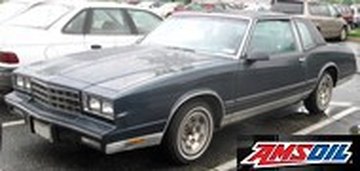
Engine Lubrication Care for the 1981 Chevrolet MONTE CARLO 3.8L
Maintaining a vehicle from the early 1980s requires a shift in perspective compared to modern automotive care. For owners of a 1981 Chevrolet Monte Carlo equipped with the 3.8L engine, routine lubrication management is a cornerstone of long-term mechanical health. Because this specific application involves a turbocharged configuration, understanding how to monitor and maintain fluid integrity is essential for preserving the engine's operational standards.
Monitoring Fluid Integrity and Potential Leaks
As vehicles age, the materials used in various sealing components can undergo changes in flexibility and composition. For the 1981 Monte Carlo, regular visual inspections are a practical way to monitor the condition of the engine bay. Rather than waiting for a significant loss of fluid, an owner should look for subtle signs of seepage around various junctions.
When performing routine checks, focus on the following areas:
- Sealing Surfaces: Inspect the areas where major engine components meet to check for any evidence of dampness or residue.
- Gaskets and Seals: Look for signs of age-related seepage that may indicate a seal is no longer providing an airtight or watertight fit.
- Drain Areas: Check the area around the oil drain plug and the filter mounting surface to ensure there is no active dripping or staining.
If you notice any fresh fluid accumulating on the underside of the engine or pooling on the ground, it warrants a closer investigation. It is important to remember that many different factors can cause fluid loss, so observing where the fluid is originating is a vital first step in any diagnostic process.
Observing Changes in Engine Performance and Indicators
Beyond visual inspections of the engine bay, an owner should remain attentive to how the vehicle behaves during operation. Changes in the way the 3.8L engine runs can sometimes be linked to the condition of its lubrication system. While symptoms do not always point to a single definitive cause, certain observations should prompt a professional inspection.
Keep an eye out for unusual mechanical noises that occur during startup or while idling. Additionally, any changes in how the engine consumes oil between service intervals are significant. If you find yourself needing to add fluid more frequently than previously recorded, this change in consumption pattern should be investigated. Furthermore, if any warning indicators appear on the dashboard related to engine operation, these require immediate attention to prevent potential complications.
Prioritizing Maintenance Based on Current Condition
For a vehicle of this age, maintenance decisions are most effective when they are based on the actual, current state of the machine rather than just the calendar or mileage. If you have recently acquired this Monte Carlo and do not have a complete service history, your first priority should be establishing a baseline.
Establishing this baseline involves documenting the current condition of all fluids, checking for any active leaks, and verifying that all scheduled maintenance is up to date. Once a baseline is set, you can transition from reactive repairs to proactive monitoring. This means prioritizing tasks based on what the vehicle actually needs—such as addressing an active seepage issue or replacing a worn belt if equipped—rather than following a generic schedule that may not reflect the specific wear patterns of your engine.
Maintaining detailed records of every oil change, filter replacement, and observed repair is one of the most effective ways to manage long-term ownership. These records allow you to identify trends, such as increasing fluid consumption or recurring minor leaks, before they escalate into more significant mechanical concerns.
Managing Aging Components and Systems
When maintaining a 1981 Chevrolet Monte Carlo, it is useful to consider the condition of various peripheral components that support engine operation. While the engine itself is the primary focus, its ability to function reliably depends on the integrity of surrounding systems.
If equipped, inspect accessible drive belts for signs of deterioration such as cracking, glazing, or fraying. Similarly, if the vehicle is present with various rubber hoses, check them for excessive softness, brittleness, or bulging. Electrical connections and wiring harnesses should also be inspected for any signs of corrosion or insulation damage that could affect engine management systems. By addressing these secondary components during routine lubrication services, you can ensure a more stable environment for the 3.8L engine.
Selecting Lubricants for Long-Term Engine Health
The choice of engine oil is a critical decision for any owner. While modern technology offers a wide variety of formulations, the goal remains the same: providing consistent protection and managing the thermal demands of the engine. For this 1981 application, different types of oils may offer different benefits depending on your specific needs.
Some owners choose conventional oils for their straightforward performance, while others opt for synthetic blends or full synthetic formulations. Synthetic lubricants are often noted for their stability under varying temperatures and their ability to resist the formation of deposits. For engines that have seen significant service life, some high-mileage oil formulations contain additives intended for use in aging engines, including seal-conditioning additives that may help maintain the integrity of older seals.
Regardless of the formulation you choose, always ensure the product meets the appropriate API certification standards to guarantee it provides the necessary level of protection and cleanliness for an engine of this era.
Practical Advice for Buying Engine Oil for your 1981 Chevrolet MONTE CARLO 3.8L
When you are ready to purchase new lubricant, do not rely on general assumptions about what a vehicle from 1981 might need. Instead, match the engine oil to the application-specific viscosity information already displayed on this page. It is essential to verify that the product you select aligns with the specific requirements listed in your vehicle's technical data.
Before completing your purchase, carefully check the product labeling to confirm both the SAE viscosity and the API service category. If you are considering a high-mileage formulation or a synthetic option, ensure it is appropriate for your current maintenance goals. By strictly following the application information provided on this webpage, you can ensure that your 1981 Chevrolet Monte Carlo receives the correct lubrication for its specific engine configuration.